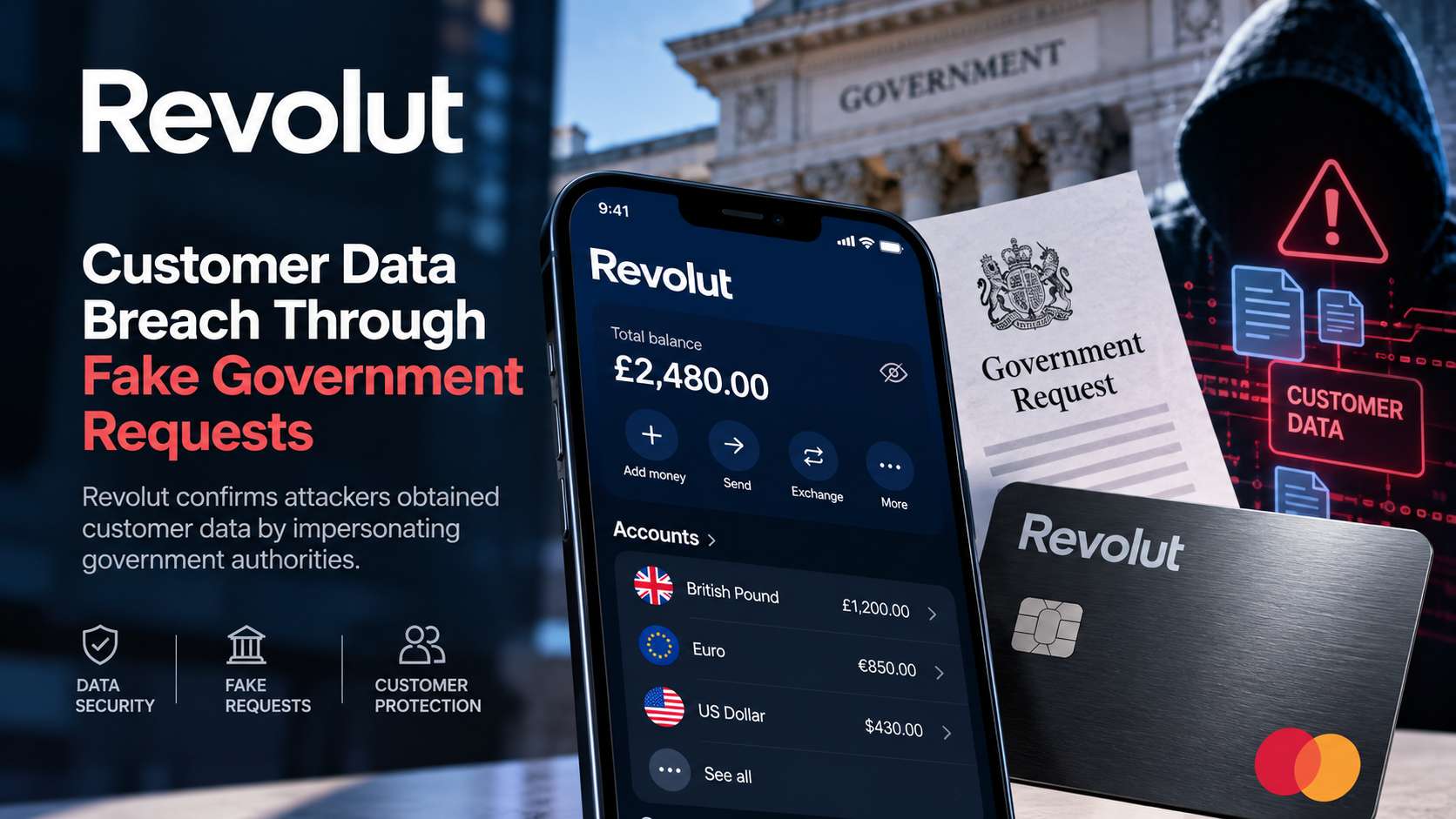
Revolut, a prominent player in the financial technology industry, has recently confirmed a data breach that has affected its customers. The breach was reportedly facilitated through fake government requests, highlighting vulnerabilities in the systems designed to protect sensitive customer information. This article will explore what has been confirmed about the breach, its implications, how such incidents occur, and what remains unknown.
What Happened
Revolut has acknowledged that it experienced a data breach involving customer data. The breach was executed through fraudulent requests that mimicked legitimate government inquiries. The company has stated that it has notified the affected customers and has taken steps to alert relevant authorities, including law enforcement and financial regulators.
Why It Matters
Firstly, it shows the ongoing challenges that financial institutions face in protecting customer data against growing cyber threats.
This incident is significant for several reasons. Firstly, it underscores the ongoing challenges that financial institutions face in safeguarding customer data against increasingly sophisticated cyber threats. The use of fake government requests as a tactic for data breaches raises alarms about the potential for similar attacks across the industry.
Moreover, the breach could erode customer trust in Revolut and similar fintech companies, which rely heavily on their reputations for security and reliability. As customers become more aware of the risks associated with digital finance, companies may need to enhance their security measures and transparency to maintain consumer confidence.
How It Works
Fraudulent government requests typically involve attackers impersonating government officials or agencies to gain access to sensitive information. In this case, the attackers likely crafted convincing communications that appeared legitimate, leading Revolut to inadvertently disclose customer data.
Such breaches often exploit weaknesses in verification processes that companies use to authenticate requests for information. This incident serves as a reminder for all organizations to regularly review and strengthen their security protocols to prevent similar occurrences.
What Remains Unknown
While Revolut has confirmed the breach, several aspects remain unclear. It is not yet known the full extent of the data compromised or how many customers were affected. Additionally, the specific methods used by the attackers to create the fake requests have not been disclosed.
Furthermore, it is uncertain whether any measures have been implemented to prevent future incidents of this nature. As investigations continue, more information may emerge that could provide further clarity on the situation.
Conclusion
The confirmation of a data breach at Revolut through fake government requests highlights critical vulnerabilities in data security within the fintech sector. As the company works to address the fallout from this incident, it serves as a cautionary tale for all organizations handling sensitive customer information. Enhanced security measures and transparency will be essential in rebuilding trust and preventing future breaches.
This incident is a warning for all fintech companies that handle sensitive customer information. For more updates, read our latest cybersecurity news.