Pediatricians are once again asking for a ban on raw milk. They say it can cause serious health problems, especially in children. This new call comes during a bigger debate about how false or unproven claims can affect public health.
What Did the AAP Say?
The American Academy of Pediatrics has issued a statement that again opposes drinking raw milk. In its latest policy review, the group stressed how important pasteurization is.
The AAP says pasteurization effectively removes harmful bacteria and other germs. These germs can pose serious health risks, especially to children.
What Is Raw Milk?
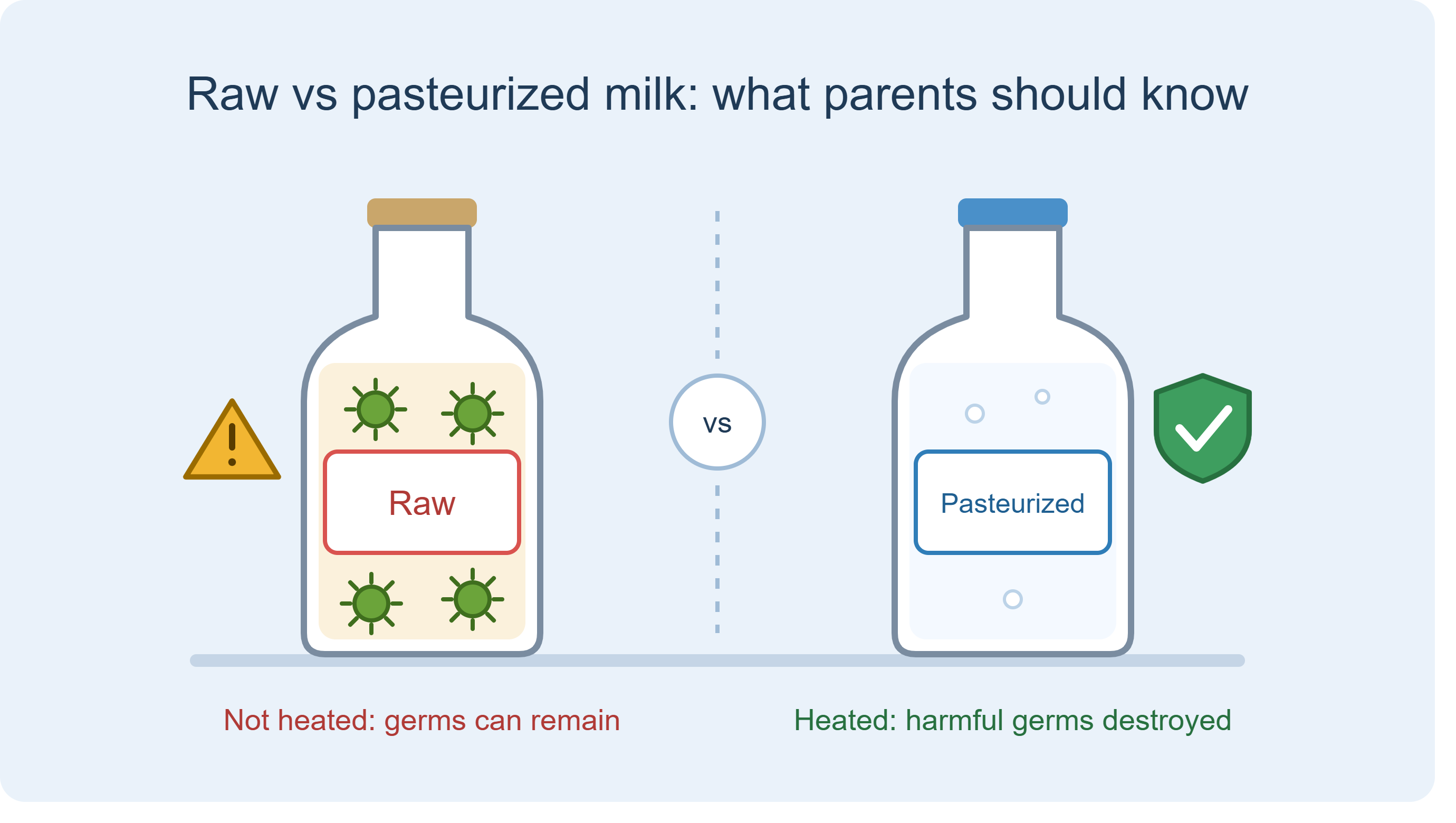
Raw milk is milk that has not been heated to kill germs. It goes from the animal to the container without this safety step. Pasteurized milk, on the other hand, has been heated to destroy harmful germs.
What Is Pasteurization?
Pasteurization is a simple process. Milk is heated to kill germs. The method has been proven to greatly reduce the risk of foodborne illness, which means sickness caused by contaminated food or drink.
Pediatricians say this step is the reason pasteurized milk is much safer for families.
Why Is Raw Milk a Risk, Especially for Children?
Raw milk can carry germs such as Salmonella, E. coli, and Listeria. These germs can cause stomach illness and other serious problems. Because raw milk is not heated, nothing removes them before someone drinks it.
Children can be more at risk because their bodies are still growing and their defenses are not fully developed. That is why pediatricians are especially worried about young people drinking raw milk.
Why Is Raw Milk Popular?
The debate over raw milk has grown in recent years. Supporters say raw milk has health benefits. Some groups of consumers find it more appealing for this reason.
Pediatricians disagree. They say these claims are often not backed by scientific evidence. In their view, the growing interest comes from misunderstandings about raw milk’s safety and health benefits.
Raw Milk, Misinformation, and Public Health
The AAP’s call comes amid a wider talk about “anti-science” ideas in public health. Pediatricians worry that false or unproven claims spread quickly and can lead people to make risky choices.
This is why public health groups, lawmakers, and doctors keep debating where the rules should be drawn. If you follow how rules and public debates shape everyday life, our policy news covers more stories like this.
What Can Parents Do?
You do not need to be an expert to make a safer choice. Here are some simple steps:
- Choose pasteurized milk. Check the label for the word “pasteurized.”
- Check dairy products too. Ask or read labels on cheese, yogurt, and other dairy foods to see whether they are made with pasteurized milk.
- Be careful with online claims. Health tips on social media may sound convincing but may not be backed by science.
- Talk to your pediatrician. If you have questions about your child’s diet, ask a doctor.
What Happens Next?
As the debate continues, pediatricians are likely to increase their efforts to teach the public about the risks of raw milk. This may include campaigns that clear up common myths and explain the benefits of pasteurized dairy products.
How this will affect rules and policy is not yet clear.
Frequently Asked Questions
Why are pediatricians calling for a raw milk ban?
They say raw milk can carry harmful germs and can cause serious illness, especially in children.
What is pasteurization?
It is a process that heats milk to kill germs. It greatly reduces the risk of foodborne illness.
Is raw milk healthier than pasteurized milk?
Pediatricians say claims that raw milk has special health benefits are often not supported by scientific evidence.
Who issued the new statement?
The American Academy of Pediatrics (AAP).
Conclusion
The renewed call to ban raw milk shows the ongoing struggle against misinformation in public health. As the debate goes on, it is important to rely on science-backed information when you make choices about food and drink. When in doubt, ask your doctor.
This article is for general information and is not medical advice.
Want more stories like this? Visit our latest news page.
- raw milk ban
- pediatricians raw milk
- AAP raw milk
- raw milk risks
- pasteurized vs raw milk
- is raw milk safe for children